
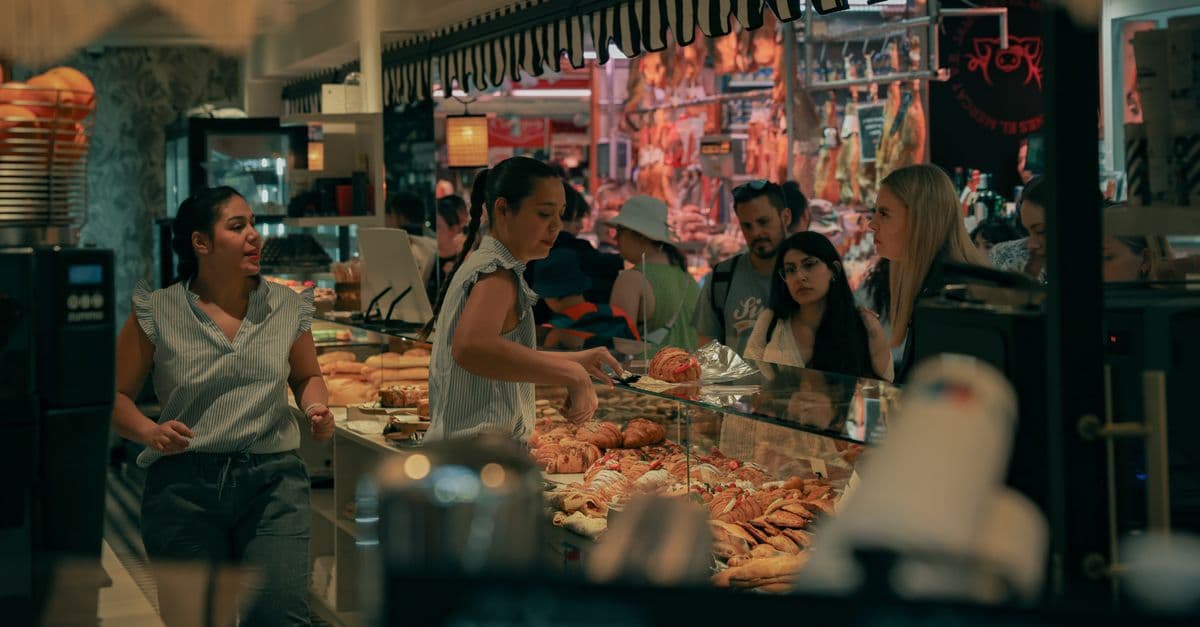
The jamón ibérico was wrapped carefully in paper and wedged between two jumpers. Eight hours later, at Heathrow's Terminal 5 arrivals hall, a Border Force officer lifted it out of the bag, set it on the counter, and gestured at a clearly labelled bin. The passenger had nothing else to declare. The ham was the entire problem.
Post-Brexit UK food import rules have created exactly these moments at every major UK airport and port — and a significant number of travellers are still operating on a pre-2021 mental model that no longer applies. The rules are not widely publicised, enforcement is real, and the penalties for getting it wrong range from quiet confiscation to a fixed penalty notice starting at £200.
What changed in 2021
When the UK left the EU single market on 1 January 2021, it also left the EU's unified food safety area. Before that date, a UK resident returning from France, Italy or Spain could bring back virtually any food for personal use — a wheel of camembert, a bag of charcuterie, fresh tomatoes from a street market — without restriction. EU member states share food safety standards and disease-control zones, meaning food moved freely across internal EU borders.
Post-Brexit, the UK treats the EU like any other third-country source, and EU member states treat the UK the same way. That symmetry is the core of the confusion: the rules now apply in both directions, and neither direction is as permissive as it was. The Animal and Plant Health Agency (APHA) sets UK border rules for personal food imports; Border Force enforces them.
Bringing food into the UK from the EU
The headline rule is simpler than most people expect: meat, meat products and most dairy from the EU are prohibited for personal import without prior health certification. That certification is not something a tourist can obtain for the contents of their suitcase. In practice, it means these goods are banned.
Meat and meat products
No meat or meat product from an EU country may enter the UK in personal baggage without an accompanying official health certificate. The prohibition covers everything:
- All fresh, chilled and frozen meat
- Cured and dried meats — chorizo, salami, prosciutto, bresaola, jamón ibérico, saucisson
- Pâté, rillettes and meat-based spreads
- Prepared or cooked dishes — pulled pork, cassoulet, any takeaway container with meat
- Sandwiches and wraps containing meat above trace amounts
The restriction is disease-control based, not arbitrary. The UK enforces it to guard against foot-and-mouth disease, African swine fever and similar conditions. The fact that a product is legally sold in Spain or Germany — inspected, labelled and licensed under EU food law — makes no difference at a UK border point. It's the act of importing it that triggers the rule.
Dairy and eggs
Dairy from the EU is similarly restricted. Commercially sealed products bearing EU health marks can in some cases be brought in within a 2 kg personal allowance, but the rules here are more nuanced and periodically updated. Travellers who want to bring back cheese should check APHA's published guidance in the weeks before travel. Fresh, unwrapped cheese bought at a market — the sort of thing most people would actually want to bring home — generally falls outside what's permitted. Eggs from the EU are prohibited.
Fresh fruit and vegetables
Most fruit and vegetables from the EU can be brought into the UK for personal use, but not all. Items subject to EU plant passport requirements — certain potatoes, selected bulb plants and anything from a region under an active plant health restriction — may be refused entry. In practice, a bag of clementines or a handful of tomatoes bought from a Spanish supermarket will almost certainly clear customs without comment. Seed potatoes, live rooted plants or material from a restricted growing zone will not.
Honey, seeds and live plants
Honey from EU member states is permitted for personal import in quantities up to 2 kg. Above that threshold, or for honey from certain regions under bee health restrictions, a phytosanitary certificate is required. Live plants from the EU — cuttings, bulbs, rooted seedlings and seeds of restricted species — require an EU plant passport and sometimes UK import notification. The traveller who buys a potted rosemary plant at a Provence market is in a genuine grey area, and many such plants are confiscated.
Arriving from outside the EU
Arrivals from countries outside both the UK and EU face the same core restrictions applied in full:
- Meat and meat products: prohibited from any country without official health documentation.
- Dairy: restricted and in most cases prohibited from non-EU third countries.
- Fresh fruit and vegetables: restricted based on specific plant health agreements; varies significantly by country of origin.
- Honey: permitted in quantities up to 2 kg for personal use from most countries; some origin countries are subject to additional restrictions.
- Processed and commercially packaged foods: generally permitted for personal use, subject to quantity tests — a suitcase full of soy sauce is a commercial importation, not personal use.
A bag of beef jerky from a US airport shop is, technically, a prohibited meat product. In practice, enforcement at the border varies. But if the bag is found during an inspection, it will be confiscated — and the inspection is more likely than travellers tend to assume.
Items that are always banned, everywhere
Some items are banned regardless of country of origin, quantity or how they're packaged:
- Bushmeat — any wild game meat from Africa or similar regions
- Meat and dairy products from countries affected by specific disease outbreaks (this list updates regularly)
- Live animals without prior authorisation and health documentation
- Soil — yes, including soil attached to root vegetables or plants
- Protected plant species listed under CITES
The common thread is disease and invasive-species control. UK border biosecurity policy is strict by international standards, and the post-Brexit moment was used to recalibrate import controls rather than simply mirror the EU's approach.
What you can bring back freely
It is easy to focus on what's banned and lose sight of how much is actually permitted. Travellers returning from almost anywhere can bring back:
- Commercially packaged spices, dried herbs and loose-leaf tea
- Coffee — ground, whole bean or in pods
- Chocolate, confectionery and biscuits
- Commercially sealed olive oil, vinegars and condiments (subject to liquid rules in hand luggage)
- Commercially packaged dried pasta, rice, grains and pulses
- Unopened spirits, wine and beer within the duty-free allowance
- Commercially sealed preserves, jams and pickles
- Most commercially sealed processed foods with clear ingredient labelling
The pattern is consistent: commercially sealed, fully processed, clearly labelled. Market purchases wrapped in paper or handmade goods in unlabelled jars occupy a greyer zone and are more likely to trigger a closer look.
What you must declare
UK customs uses a red channel / green channel system. The rule is straightforward: if you have anything to declare — including food you're not certain about — use the red channel. Officers are looking for prohibited items, commercial quantities, and material misrepresentations. Honest declaration of a borderline item typically results in confiscation only. Non-declaration of a prohibited item, discovered during a check, can result in that fixed penalty notice.
Always declare: any meat or meat product, dairy above 2 kg, live plants or cuttings, honey above 2 kg, anything from a region with an active disease restriction, and anything you're genuinely uncertain about. The green channel is for passengers with nothing to declare and no restricted goods. At some ports, a separate blue channel is designated for direct EU arrivals — but using it does not exempt anyone from food import rules.
What happens if you get it wrong
For personal-quantity goods on a first encounter, confiscation is the usual outcome. The item goes in the bin, the traveller receives a written notice, and the matter ends there. For larger quantities, misrepresentation of contents, or repeat offenders, fixed penalty notices start at £200 and can be higher. In serious cases — large-scale meat smuggling, for example — criminal proceedings are possible.
Border Force uses X-ray equipment and detector dogs trained specifically for meat and plant material. The dogs are effective. If you have wrapped cured meat in two jumpers and crossed fingers, the dog does not particularly care about either layer of defence.
Packing food the right way
For food that is legitimately importable — spices, tea, commercially sealed olive oil, chocolate, wine within the alcohol allowance — packing correctly reduces the chance of damage and speeds up any inspection. Keep food items at the top of your bag, in sealed containers or clear zip-lock bags, clearly separated from everything else. Customs officers doing a bag check move faster when food is visible and obviously not meat or dairy.
Liquids including olive oil, wine and spirits must comply with the 100 ml carry-on liquid rule if they're in hand luggage. A bottle of premium olive oil — the sort of thing worth carrying back — goes in checked baggage, well wrapped against breakage. Our packing toolcan help you plan what fits within your airline's weight and size allowances before you leave the hotel.
If you bought food in market packaging — wax paper, paper bags, handmade labels — and you're not certain of its import status, it's worth buying an additional piece of luggage or posting it separately (postal rules differ from personal import rules and may offer more options for certain items). Trying to disguise meat or dairy at the border never ends well and never saves the product.
For longer trips or when you're trying to pack food into an already full bag, see our guide to cabin baggage allowances — knowing your space in advance determines whether that bottle of wine makes the cut.
Check before you pack
APHA's personal food import rules are updated periodically as disease situations change. If you're travelling to a region with an active food safety alert, confirm what's currently permitted at GOV.UK before your return journey.