
How to Choose the Best Seat on a Plane
Start with the outcome you care about most. A seat that is excellent for one traveller can be frustrating for another. A window may protect your sleep but makes it harder to stand. An aisle gives freedom of movement but exposes you to passing passengers and service trolleys. A front-row seat may help you leave sooner without providing any additional legroom.
Best plane seat for sleeping
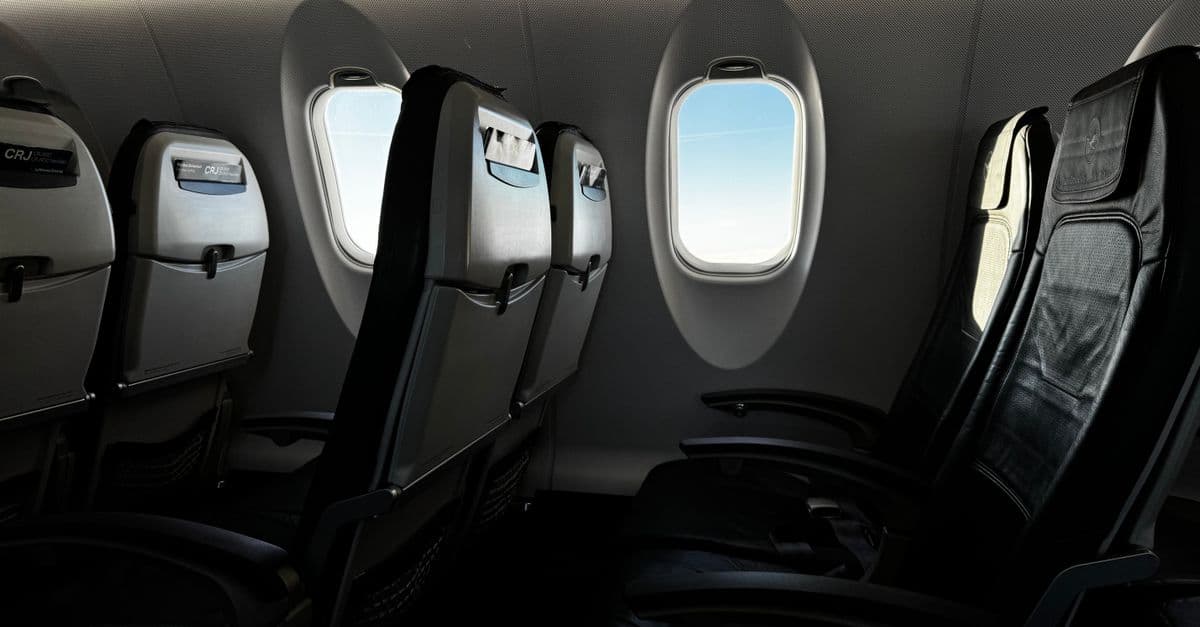
Choose a window in the forward half of the cabin, away from toilets and major galleys. The cabin wall gives you something to lean against and you are less likely to be disturbed by a seatmate who wants to stand. Check whether the row has a properly aligned window and whether recline is restricted.
Best plane seat for legroom
Look for an airline-designated extra-legroom or exit-row seat, but verify what the label actually buys. Some “preferred” seats are merely closer to the front. Exit rows can add useful space, yet may introduce fixed armrests, reduced width, cold draughts, limited recline or restrictions for children and passengers who cannot assist in an evacuation.
Best plane seat for a quick exit
An aisle seat close to the door normally wins. Do not pay a large premium solely for being a few rows nearer the front unless a tight connection makes those minutes genuinely valuable. If you have a connection, check it with the Farlounge Layover Time tool before deciding what the seat is worth.
Best place to sit if you dislike turbulence
Seats around the wing and closer to the aircraft's centre of lift generally feel less movement than seats at the extreme rear. This cannot remove turbulence and aircraft size, weather and flight conditions matter more than a few rows. Choose a seat that also meets your comfort and access needs.